OstarenJournal

Nutrient Rhythm.

An examination of how food composition, eating patterns, and energy balance interact over time — documented through evidence-informed editorial content from London.

London, UK —— Evidence-Informed —— Est. 2026
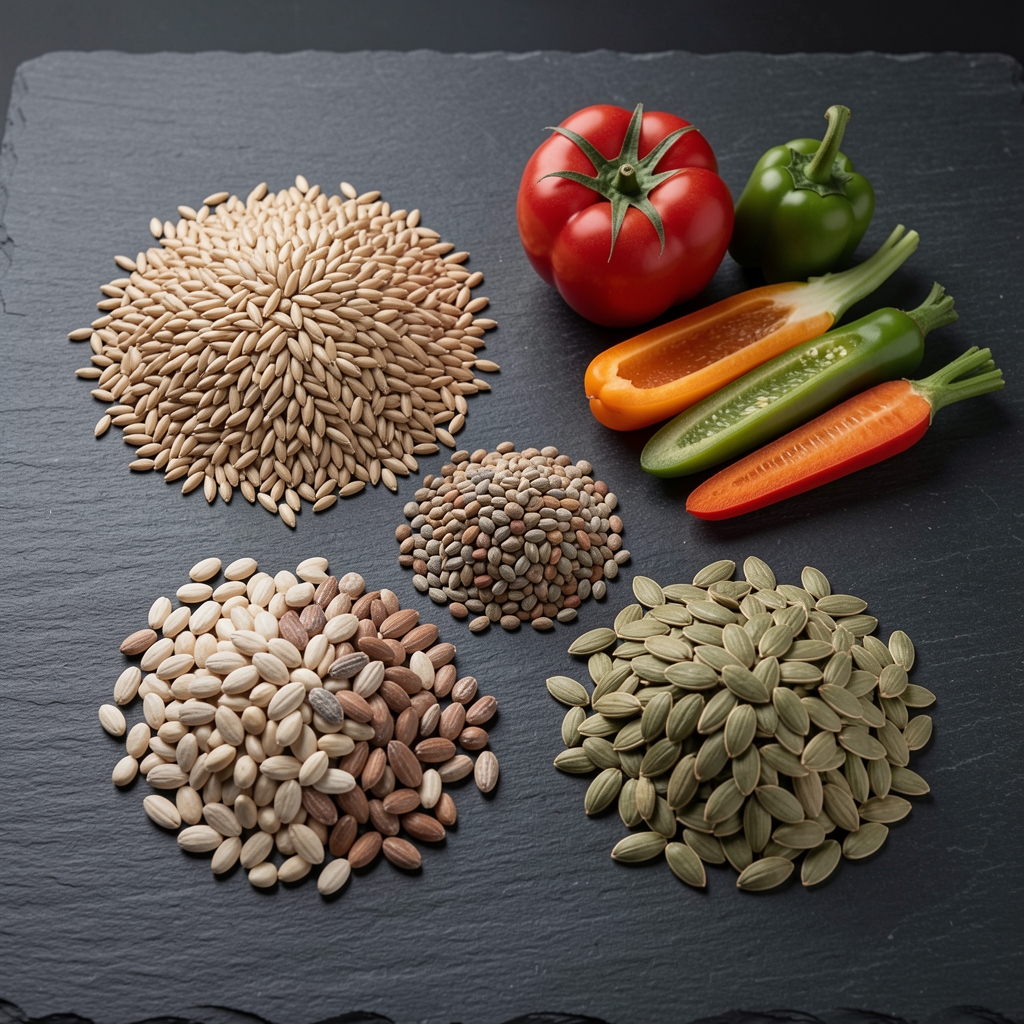
Whole food ingredients arranged methodically on a dark stone surface — grains, legumes, seeds and vegetables under controlled studio lighting
// Nutrient density — field documentation 2026
3 Long-Form Articles
20+ Research Sources Cited
4 Editorial Standards
1 Independent Mandate
02

What Ostaren Journal Documents

Ostaren Journal operates as an independent editorial platform. Its scope is precise: the verifiable relationship between food composition, portion perspective, and body composition over time. Each article draws from published nutritional research and undergoes a two-editor review before publication.

The publication does not endorse commercial products, affiliate programmes, or sponsored content. Writers are selected on the basis of their familiarity with evidence-informed nutritional reporting.

Coverage extends across calorie awareness, the carbohydrate role in weight, fat intake and body composition, whole grain benefits, and the structural influence of meal timing on long-term eating rhythm.

About the Journal →
03

Coverage Areas

Food Quality Over Quantity

Examining how nutrient density and food quality affect satiety, energy regulation, and long-term body composition — beyond simple calorie arithmetic.

Energy Balance Explained

A structured look at the evidence base around calorie awareness, metabolic adaptation, and the practical implications for maintaining a balanced plate approach.

Meal Structure and Weight

How eating patterns, meal timing, and portion perspective interact with the body's responses to food intake across different weekly rhythms.

Whole Grain Benefits

Fibre and fullness as they relate to whole grain choices, slow-digesting carbohydrate structures, and the role of plant-based eating patterns in weight management.

Fat Intake and Body Composition

Documenting what peer-reviewed research indicates about dietary fat distribution, fat-to-lean mass ratios, and the impact of fat source on eating satisfaction.

Long-Term Eating Rhythm

The structural argument for consistency in eating patterns — why mindful portion habits established over months show different outcomes than short-cycle interventions.

"The evidence for food quality over calorie quantity has grown considerably — yet the framing of that evidence in editorial content continues to lag behind the research literature."

Ostaren Journal — Editorial Position, 2026
04

Editorial Standards and Verification Process

Every article published by Ostaren Journal follows a defined editorial review process. Sources are identified by recency, peer-review status, and relevance to the specific claims made. Writers document their source list prior to submission.

View Methodology →
01
Source Identification
Writers submit a source list referencing published nutritional research. Sources are checked for peer-review status and publication date.
02
Two-Editor Review
Each article is reviewed by a second editorial team member before publication, with specific attention to factual accuracy and claim framing.
03
Public Correction Policy
Corrections and clarifications are noted publicly within the article body. No silent edits are made to published content.
04
Disclosure of Relationships
Writers disclose any commercial relationships that could influence subject selection. Ostaren Journal carries no sponsored content.
A breakfast spread on a linen tablecloth showing whole grain toast, avocado and fresh berries, natural morning light coming from the left
05

Processed Food Awareness and Sugar in the Weekly Diet

The structural influence of processed food on calorie awareness and weight is one of the more documented areas in contemporary nutritional research. Ostaren Journal addresses this through detailed editorial review — presenting the evidence base without commercial pressure.

It refers to the evidence that the nutrient composition of food — its protein, fibre, micronutrient, and phytonutrient density — influences satiety and energy regulation independently of raw calorie count. Two meals containing the same calories from different sources produce measurably different hunger and fullness responses.
Highly processed foods typically display lower fibre content, higher sugar density, and reduced protein per calorie compared to whole food alternatives. Research consistently links higher processed food intake with disrupted hunger signals and excess calorie consumption relative to reported appetite levels.
Published nutritional guidelines from UK authorities suggest that a balanced plate includes roughly half vegetables and fruit, a quarter lean protein sources, and a quarter whole grain starchy foods. This structural approach supports both nutrient density and portion perspective without requiring precise calorie counting.
The evidence is more nuanced than headlines suggest. Added sugars — particularly those in ultra-processed food and sweetened beverages — are consistently associated with excess energy intake. Sugars present naturally in whole fruit, accompanied by fibre, show considerably different patterns in appetite and satiety research.
06

Plant-Based Eating Patterns and Body Composition

An emerging body of research examines how plant-based eating patterns interact with fat-to-lean mass ratios over time — across different calorie levels and protein distributions.

// Research Area

Fibre and Fullness

Dietary fibre's role in satiety is well-documented. Plant-based eating patterns deliver substantially higher fibre loads, which research associates with improved appetite regulation and long-term weight stability.

// Research Area

Protein Completeness

Assembling complete amino acid profiles from plant sources requires deliberate food pairing. The protein and satiety connection is not diminished by plant sourcing when composition is considered carefully.

// Research Area

Whole Grain Benefits

Whole grains provide a lower glycaemic response compared to refined alternatives. Their contribution to a balanced plate approach is documented across both plant-based and mixed dietary patterns.

Editorial enquiries and contributions

Ostaren Journal, 28 Garnault Place